Raised Garden Bed Ideas for a Productive and Beautiful Backyard
Transform your yard into a productive and beautiful space with these practical raised garden bed ideas for every style and skill level.
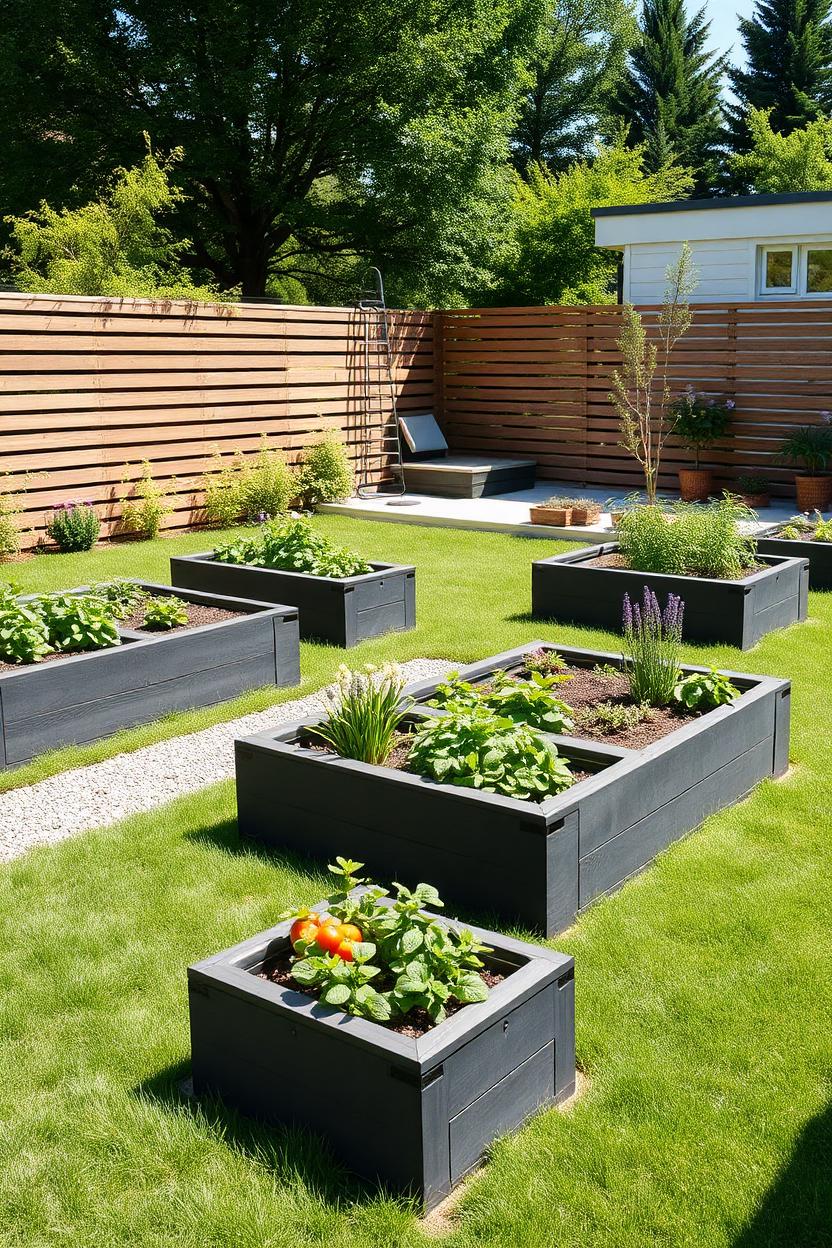
Raised garden beds are more than just convenient boxes for growing vegetables. They are a fantastic opportunity to add structure, style, and beauty to your backyard. Thinking of them as landscape features, not just gardening tools, opens up a world of possibilities for a yard that is both productive and a joy to be in.
Finding the Perfect Spot: Sunlight and Placement
The first step to a successful garden is choosing the right location. Most vegetables and herbs need at least six to eight hours of direct sunlight each day. Before you build anything, spend a day observing your yard to see how the sun moves across it. You might find the sunniest spot isn't where you initially thought.
Also, consider convenience. Placing your beds closer to the kitchen makes it easy to snip fresh herbs while cooking. Proximity to a water spigot will also save you from dragging a long hose across the entire yard every few days. Think about how the garden will fit into your daily flow.
- Use a garden hose to outline potential bed shapes and sizes on the ground.
- Observe your yard during different seasons to understand year-round sun patterns.
- Ensure the spot has good drainage and doesn't sit in a puddle after it rains.
Choosing Your Materials: Style Meets Function
The material you choose for your raised beds has a huge impact on the look and feel of your backyard. It's a chance to complement your home's existing style, whether it's modern, rustic, or traditional. Think about how the material will age and what kind of vibe it creates.
From warm woods and sleek metals to timeless stone, each option has its own character. Your choice will define the garden's aesthetic, so consider it as carefully as you would any other landscaping feature.
Classic and Natural Wood
Wood is a popular and versatile choice. Cedar is naturally rot-resistant and ages to a beautiful silvery-gray. Pine is a more budget-friendly option but will need to be treated or replaced sooner. You can leave the wood natural, stain it to match a deck, or paint it a bold color to make a statement.
Modern Metal and Stone
For a more contemporary or industrial look, consider galvanized steel or corrugated metal beds. They are incredibly durable and create a clean, modern edge. For a permanent, classic feel, beds built from stone, brick, or cinder blocks can be integrated beautifully with existing patios or retaining walls, making the garden feel like a truly permanent fixture in your yard.
Designing the Layout: From a Single Bed to a Potager Garden
How you arrange your beds is just as important as what they're made of. A single, large raised bed can serve as a stunning focal point in a smaller yard. For larger spaces, arranging multiple beds in a pattern creates a sense of order and purpose, turning a simple garden into a design feature.
Consider a U-shaped layout with three beds, which creates an efficient and enclosed nook to work in. A formal grid of four or more square beds, known as a potager style, brings a classic, organized elegance to the backyard and makes crop rotation simple.
- Ensure your beds are no more than four feet wide so you can reach the center from either side without stepping on the soil.
- Use string and stakes to map out your layout before you start building.
- A T-shaped or L-shaped bed can be a great solution for an awkward corner.
Don't Forget the Pathways
Pathways are the unsung heroes of a raised bed garden. They guide you through the space, give you a clean place to stand and kneel, and keep your shoes from getting muddy. The material you choose for your paths contributes significantly to the garden's overall aesthetic.
Simple grass paths are easy and blend seamlessly with the rest of the lawn. For a more defined and low-maintenance option, consider wood chips, pea gravel, or crushed stone. Stepping stones or solid pavers create a more formal, permanent feel that ties the garden into other hardscaping in your yard.
- Make pathways at least three feet wide to allow easy access with a wheelbarrow.
- Lay down landscape fabric under gravel or wood chip paths to suppress weeds.
- Consider a 'living' path of creeping thyme, which is durable and releases a lovely scent when walked on.
Planting for Beauty and Bounty
A well-planned garden is as beautiful as it is productive. Think beyond just rows of vegetables and consider how different colors, textures, and heights can work together. Mixing flowers and herbs in with your vegetables not only looks great but can also help with pest control and pollination.
Think in layers. Place taller plants like tomatoes or sunflowers at the back (or center, for an island bed), fill the middle with bushy plants like peppers or basil, and let trailing plants like nasturtiums or strawberries spill over the edges. This creates a full, lush look that is visually appealing from every angle.
Try Companion Planting
Companion planting is the practice of growing certain plants together for mutual benefit. For example, planting marigolds around your tomato plants can help deter pests. Basil planted near tomatoes is said to improve their flavor. It's a simple, natural way to create a healthier garden ecosystem.
- Plant edible flowers like nasturtiums, pansies, and calendula for a pop of color you can add to salads.
- Include a dedicated herb bed near your patio for easy access when grilling or mixing drinks.
- Vertical elements like a simple trellis for peas or beans can add height and interest.
Integrating Beds into Your Backyard Design
The most successful raised bed gardens feel like they belong in the landscape. To achieve this, think about how to visually connect them to the rest of your yard. Staining the wood to match your fence or deck, or choosing stone that complements your patio, creates a cohesive look.
You can also use raised beds to help define different areas in your backyard. A long, linear bed can act as a beautiful divider between a patio and a lawn. A set of beds can frame a seating area or create a destination at the far end of your yard, drawing you out into the space.
- Install simple path lighting near your garden to highlight it in the evening.
- Place a bench or a small bistro set nearby to create a spot for enjoying the garden.
- Paint or stain your beds to match the trim on your house for a unified look.
More backyard ideas
Frequently asked questions
What is the best depth for a raised garden bed?
A depth of 10 to 12 inches is great for most vegetables and herbs. If you're growing deep-rooted plants like carrots or potatoes, aim for 12 to 18 inches for the best results.
How wide should my raised beds be?
A width of four feet is ideal because it allows you to comfortably reach the center of the bed from either side without compacting the soil by stepping in it.
Do I need to put cardboard on the bottom of a raised bed?
Placing a layer of cardboard or newspaper at the bottom of a new bed built on top of grass is a great idea. It acts as a natural, biodegradable weed barrier that smothers the grass and weeds underneath.
What kind of soil should I use in a raised bed?
The best soil is a mix of high-quality topsoil and compost. A common ratio is about 60% topsoil and 40% compost to create a nutrient-rich, well-draining environment for your plants.
How do I keep my raised beds from looking messy?
Defined pathways, a crisp edge on the bed material, and consistent weeding are key. Also, adding a layer of mulch like straw or wood chips can suppress weeds and give the bed a tidy, finished look.
Pin this article
Copy-and-paste titles and a description to schedule across your Pinterest boards.
Pinterest title
Creative Raised Garden Bed Ideas for a Gorgeous Backyard! 🥕🌿
Pinterest description
Ready to start a vegetable garden that's both productive and beautiful? These raised garden bed ideas cover everything from layout and materials to planting tips that will make your backyard the star of the show. Save this pin for your weekend project inspiration!
Pin title ideas
- DIY Raised Garden Bed Ideas You Can Build This Weekend
- Stunning Backyard Garden Layouts with Raised Beds
- How to Design a Beautiful and Productive Raised Bed Garden
- Raised Garden Bed Materials: Wood, Metal, and More!
- Your Guide to Creating the Perfect Backyard Vegetable Garden