Backyard Landscaping Ideas That Make a Yard Feel Finished
Discover the simple landscaping layers that take a yard from 'in-progress' to beautifully finished and ready to enjoy.
Have you ever looked at your yard and felt like it was just… missing something? You have the patio, the lawn, maybe a playset, but it doesn’t feel cohesive. Often, the missing piece is the final layer of landscaping that ties everything together, turning a simple patch of grass into a polished and inviting outdoor room.
Start at the House: The Power of Foundation Plantings
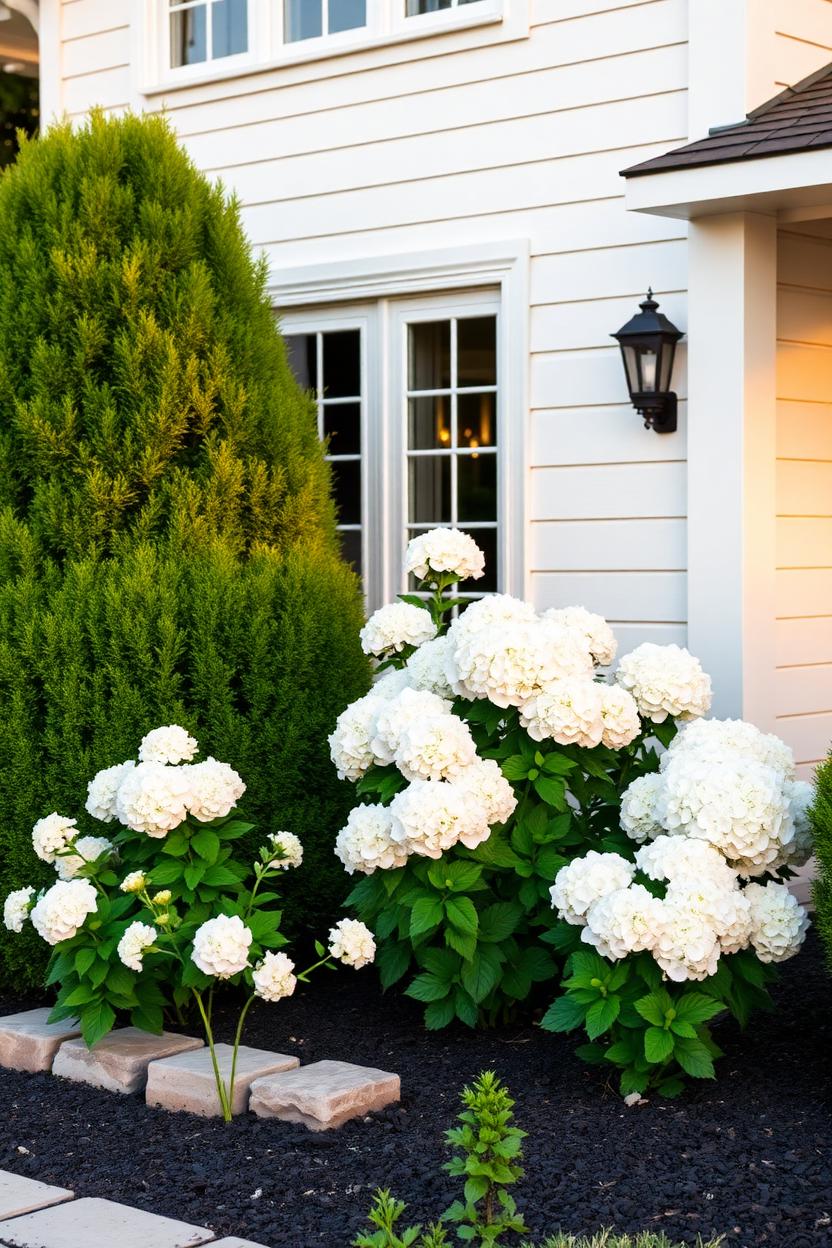
Foundation plantings are the garden beds situated right up against your house. Their job is to soften the hard lines of the foundation and structure, anchoring your home visually to the ground and the rest of the yard. Without them, a house can look like it was just dropped into place. With them, it becomes a seamless part of the landscape.
Think in layers. Place taller, evergreen shrubs like boxwoods or yews at the back to provide year-round structure and color. Then, layer smaller shrubs, perennials, and even annuals in front of them to create depth, texture, and seasonal interest. This simple technique makes your home feel settled and intentional.
- Choose plants whose mature size won't block windows or overwhelm walkways.
- Leave at least a foot of space between shrubs and your siding for air circulation.
- Repeat a few key plants on different sides of the house to create a cohesive look.
Create Clean Lines with Defined Garden Borders
One of the fastest ways to make a yard feel finished is to create crisp, defined edges for your garden beds. A clear line separating lawn from garden says 'this is intentional.' It contains the plants, keeps the lawn from creeping in, and gives the entire space a tidy, well-maintained appearance. Whether you prefer gentle curves or straight, modern lines, a defined edge is non-negotiable for a polished look.
The Finishing Touch of Mulch
Think of mulch as the area rug of your garden beds. A consistent, 2-to-3-inch layer of dark brown or black mulch instantly makes plants pop, unifies disparate plantings into a single bed, and lends a rich, cared-for look. Beyond aesthetics, it's a practical workhorse, helping to suppress weeds, retain soil moisture, and regulate soil temperature.
Install a Permanent Edge
For the ultimate clean line, consider installing a physical edging material. Simple black plastic landscape edging is affordable and disappears visually. For a more substantial feel, materials like brick, natural stone, or modern steel edging create a permanent, raised border that adds architectural interest while neatly corralling mulch and soil.
- Lay a garden hose on the lawn to experiment with curved bed shapes before you start digging.
- Re-edge your beds each spring with a sharp spade to maintain a crisp line.
- Always keep mulch a few inches away from the base of trees and plant stems.
Go Vertical with Trees & Ornamental Grasses
A flat yard can feel a bit uninspired. Landscaping isn't just about what's on the ground; it's also about creating interest at different eye levels. Trees add a crucial vertical element, providing a sense of scale, creating a 'ceiling' for your outdoor spaces, and offering welcome shade on hot summer days.
Don't overlook the impact of ornamental grasses. Taller varieties can create living screens or add dramatic height to the back of a border. Their fine texture and gentle movement in the breeze provide a wonderful contrast to broadleaf plants and solid structures, and many look great even through the winter.
- Plant a small ornamental tree like a Japanese Maple or Dogwood as a focal point.
- Consider where shadows will fall when choosing a location for a shade tree.
- Grasses are fantastic for softening hard corners of a deck or patio.
Balance Soft Plants with Hard Patios
A truly finished backyard strikes a beautiful balance between 'softscape' (your plants, lawn, and soil) and 'hardscape' (your patio, deck, walkways, and walls). A giant patio with no surrounding plants can feel harsh and barren, while a yard with only plants can feel wild and uninvocable. The magic happens where they meet.
Use your landscaping to soften the edges of your hardscape. Let low-growing, mounding plants spill just slightly over the edge of the patio. Plant fragrant herbs along a walkway. Use a small bed of groundcover to transition from a deck stair to the lawn. These small touches bridge the gap and make the two elements feel like they belong together.
- Plant a tough, creeping groundcover like thyme or sedum between stepping stones.
- A row of identical grasses along a patio edge creates a modern, rhythmic look.
- Tuck small, shade-loving plants like hostas underneath a raised deck.
The Final Accessories: Planters, Color & Privacy
If foundation plantings are the suit and mulch is the tie, then container gardens and seasonal flowers are the pocket square and cufflinks. They are the final, personalizing touches that add pops of color and personality. Use large planters to flank an entryway, add life to a stone patio, or define the corner of a deck.
This is also where you can easily incorporate seasonal color. A few flats of annuals tucked into the front of a border or mixed into a container can transform the look of your yard from spring to summer to fall. It's a low-commitment way to experiment with color and keep your landscape looking fresh.
Planting for Privacy
Sometimes, a finished feeling is a private feeling. You don't always need a giant fence to achieve it. A well-placed row of tall, narrow evergreen trees like Arborvitae or a staggered line of tall shrubs can create a living wall that blocks a neighbor's view and makes your yard feel like a secluded retreat. Even a few large planters with tall grasses on your deck can create an effective screen.
- Group planters in odd numbers (1, 3, 5) for a more natural, designed feel.
- Use the 'thriller, filler, spiller' method for eye-catching container designs.
- Choose planters that complement the color and style of your home's exterior.
More backyard ideas
Frequently asked questions
What is the fastest way to make a backyard look better?
The fastest way to make a yard look more polished is to create clean edges for all your garden beds and apply a fresh, consistent layer of dark mulch.
What is foundation planting?
Foundation planting refers to the plants and garden beds located directly against your house, which help to soften the architecture and connect it to the landscape.
How do I make my landscaping look professional?
To get a professional look, focus on creating layers, repeating plants for cohesion, defining clean edges, and ensuring a good balance between plants and hardscape features.
Should I use mulch or rock in my flower beds?
Mulch is generally better for plant health as it decomposes and enriches the soil. Rock can be a good low-maintenance option in certain areas but can get very hot and doesn't add nutrients.
What can I plant for backyard privacy?
Tall, narrow evergreen trees like Arborvitae or Italian Cypress are popular choices. For a less formal look, consider clumping bamboo or staggered plantings of shrubs like viburnum or privet.
Pin this article
Copy-and-paste titles and a description to schedule across your Pinterest boards.
Pinterest title
Landscaping Ideas That Make Your Backyard Look Finished ✨
Pinterest description
Does your yard feel like it's missing something? Learn how to use foundation plantings, clean borders, mulch, and strategic trees to create a polished, complete look. These simple landscaping ideas will transform your space from just a yard into a beautiful outdoor escape. Save this pin for your weekend project inspiration!
Pin title ideas
- Finished Backyard Landscaping Ideas You Can Actually Do
- How to Make Your Backyard Look Polished and Complete
- The Final Layer: Landscaping Ideas for a Finished Look
- Simple Landscaping Tricks for a Professional-Looking Yard
- From Bare to Beautiful: Essential Landscaping Finishing Touches