How to Divide Your Backyard Into Zones
Creating distinct zones is the secret to a backyard that feels both spacious and wonderfully functional.
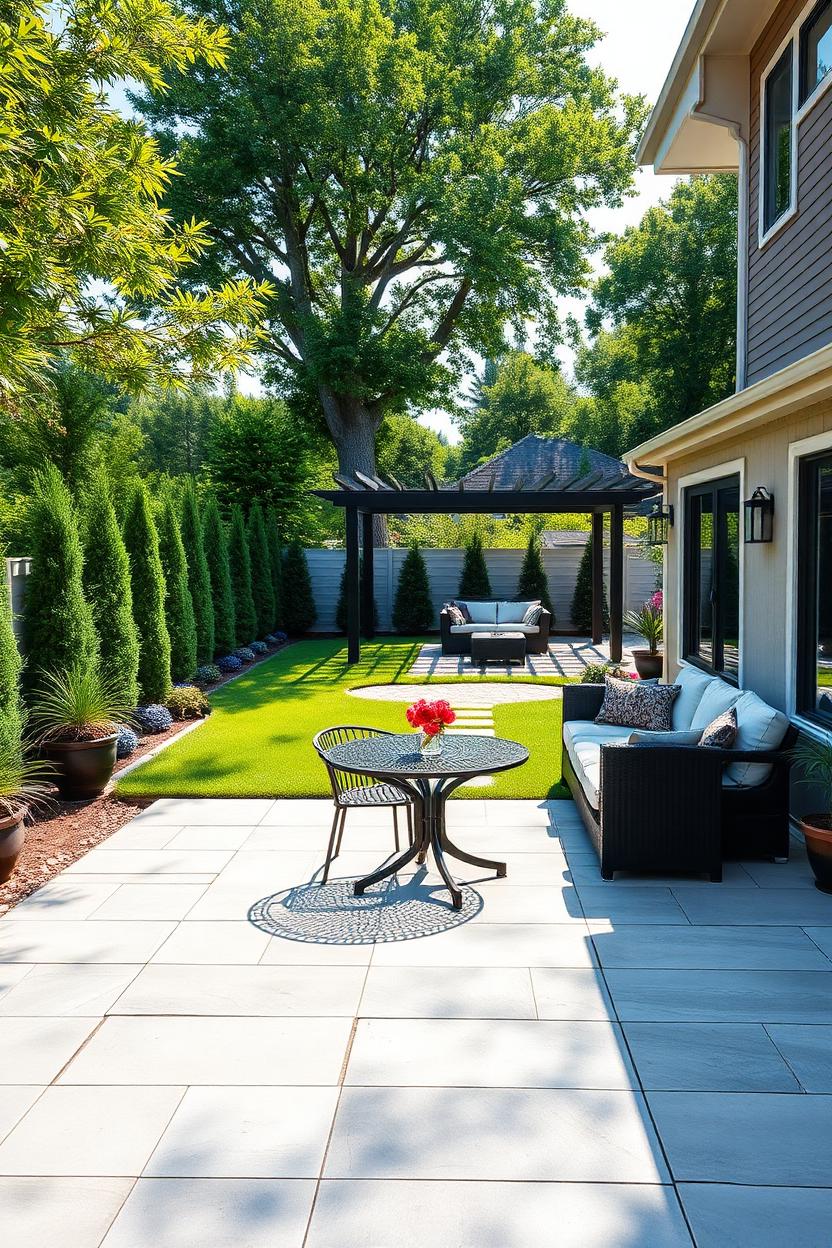
Does your backyard feel like one big, undefined space? It's a common challenge, but one with a simple solution: zoning. By thinking of your yard as a collection of 'outdoor rooms,' you can give every corner a purpose, making the entire space more organized, inviting, and much easier to enjoy.
First, Think About How You Want to Live Outdoors
Before you move a single paver or plant a single bush, grab a notebook and walk around your yard. The most successful backyard layouts are born from a clear vision of how you actually want to use the space. Who will be using the yard? Do you dream of hosting big family barbecues, enjoying quiet morning coffee, watching the kids play, or gathering around a fire on cool evenings?
Make a list of all your desired activities. Don't worry about logistics yet—just dream a little. This list will become the foundation for the zones you decide to create. Consider things like sun and shade patterns throughout the day, access to the house (especially the kitchen), and any existing features you want to keep or work around.
- Create a simple sketch of your yard's footprint.
- Observe where the sun hits at different times of day.
- Note existing pathways, trees, or slopes.
- Prioritize your 'must-have' activities first.
Defining the Foundational 'Rooms'
Most well-used backyards have a few core zones that serve as the anchor for the entire layout. These are the areas you'll likely use most often, so it's important to get their placement and function right from the start.
The Dining Zone
This is your outdoor dining room. It’s typically placed on a hard, level surface like a patio or deck for stability. For convenience, it should be located as close to your kitchen door as possible to make carrying food and dishes back and forth a breeze. Ensure it's large enough for your table, chairs, and enough room for people to comfortably walk around the table when others are seated.
The Lounge Zone
Think of this as your outdoor living room—a comfortable spot for conversation, reading, or simply relaxing. It might feature a comfy outdoor sofa, a couple of armchairs, and a coffee table. This zone benefits from a bit of shade, whether from a large tree, an umbrella, or a more permanent structure. It doesn't need to be right next to the house; sometimes placing it further into the yard creates a nice sense of escape.
The Play Zone
If you have kids or pets, a designated play area is essential. This is usually a soft, durable patch of lawn that can handle some wear and tear. Position it where you can easily keep an eye on it from the house or your primary lounge zone. It's also wise to keep it separate from delicate flower beds or the hot grill.
Creating Specialty and Hobby Zones
Once your core areas are mapped out, you can add specialty zones that cater to your specific hobbies and interests. These are the spaces that truly personalize your backyard and make it uniquely yours.
The Fire Pit Zone
A fire pit creates a natural gathering spot. This zone needs to be on a non-flammable surface like gravel, pavers, or stone, and located a safe distance from your house, sheds, and any overhanging branches. Arrange seating in a circle to encourage conversation and make sure everyone can enjoy the warmth.
The Garden Zone
Whether for vegetables, herbs, or cutting flowers, a garden area needs to be placed based on its sunlight requirements. Using raised beds is a fantastic way to physically define the garden zone, contain the soil, and make planting and weeding easier on your back. Grouping your gardening efforts in one spot also simplifies watering.
- Consider a quiet corner for a hammock or a single reading chair.
- A grilling station can be its own small, functional zone near the dining area.
- Even a small water feature can define a tranquil, meditative spot.
How to Create Separation and Connection
The key to successful zoning isn't building walls; it's using subtle cues to signal a transition from one space to another while maintaining a cohesive look. You want the zones to feel distinct but not disconnected.
Pathways are your best friend here. A simple path of flagstone, gravel, or even just a clearly mown trail in the grass naturally guides people from one zone to the next. The path itself acts as a border. You can also define spaces by changing the ground material—for example, where a wooden deck meets the lawn, or where a stone patio gives way to a gravel fire pit area.
- Use large outdoor area rugs to define seating areas on a large patio or deck.
- Arrange a line of planters or a low, ornamental hedge to create a 'soft' wall.
- An arbor or a pergola can serve as a beautiful entryway into another zone.
- Strategic lighting can highlight each zone differently after dark.
Considering Sightlines and Flow
As you place your zones, think about the view from one to the next. This is called a sightline. You might want a clear view of the play area from the kitchen window, but perhaps you want the lounge area to feel more secluded and private. Arrange furniture and plants to either open up or partially obscure these views.
Flow is about how easily you can move through the space. Make sure your main pathways are wide enough for comfortable passage and that you're not forced to cut through the middle of a seating area to get to another part of the yard. A gently curving path can often feel more natural and interesting than a straight line, encouraging a slower, more relaxed journey through your outdoor rooms.
More backyard ideas
Frequently asked questions
How do I make my backyard zones feel connected instead of choppy?
Use repetition to connect your zones. Consistent materials (like the same type of stone), a unified color palette for cushions and planters, or repeating certain plants throughout the yard will create a cohesive feel.
Do I need a big yard to create zones?
Not at all! Zoning is even more important in a small yard to maximize function. You might create a combined dining/lounge 'zone' on a small patio and use vertical planters to define a tiny garden 'zone'.
Do I need a patio or deck to create an outdoor room?
No, a hardscape isn't a requirement. You can create a wonderful lounge zone on a lawn with an outdoor rug, or use compacted gravel or decomposed granite to create an affordable and stylish floor for a fire pit area.
How big should each backyard zone be?
The size should be dictated by its function. A dining zone needs room for the table and chairs to be pulled out, while a small reading nook might only need space for one chair and a tiny table.
What's the easiest way to define a zone without construction?
Using a large outdoor rug is the quickest way to anchor a seating or dining area. Grouping furniture together and using large planters to frame the space are also highly effective and easy methods.
Pin this article
Copy-and-paste titles and a description to schedule across your Pinterest boards.
Pinterest title
DIY Backyard Zones: The Ultimate Layout Guide! 🏡
Pinterest description
Stop guessing and start planning! Learn how to divide your backyard into beautiful, functional zones for dining, lounging, playing, and more. This simple guide to creating 'outdoor rooms' will transform your space. Save this pin for your weekend backyard project inspiration!
Pin title ideas
- Unlock Your Backyard's Potential: A Simple Guide to Zoning.
- The Secret to a Better Backyard? It's All About Zones.
- How to Create Outdoor Rooms in Your Backyard (Layout Ideas).
- Backyard Layout 101: Defining Your Dining, Lounge, and Play Areas.
- Transform Your Yard: 5 Steps to Creating Perfect Backyard Zones.