How to Plan a Backyard You'll Actually Use
A thoughtful plan is the secret to creating a beautiful backyard that perfectly fits your life, not just your space.
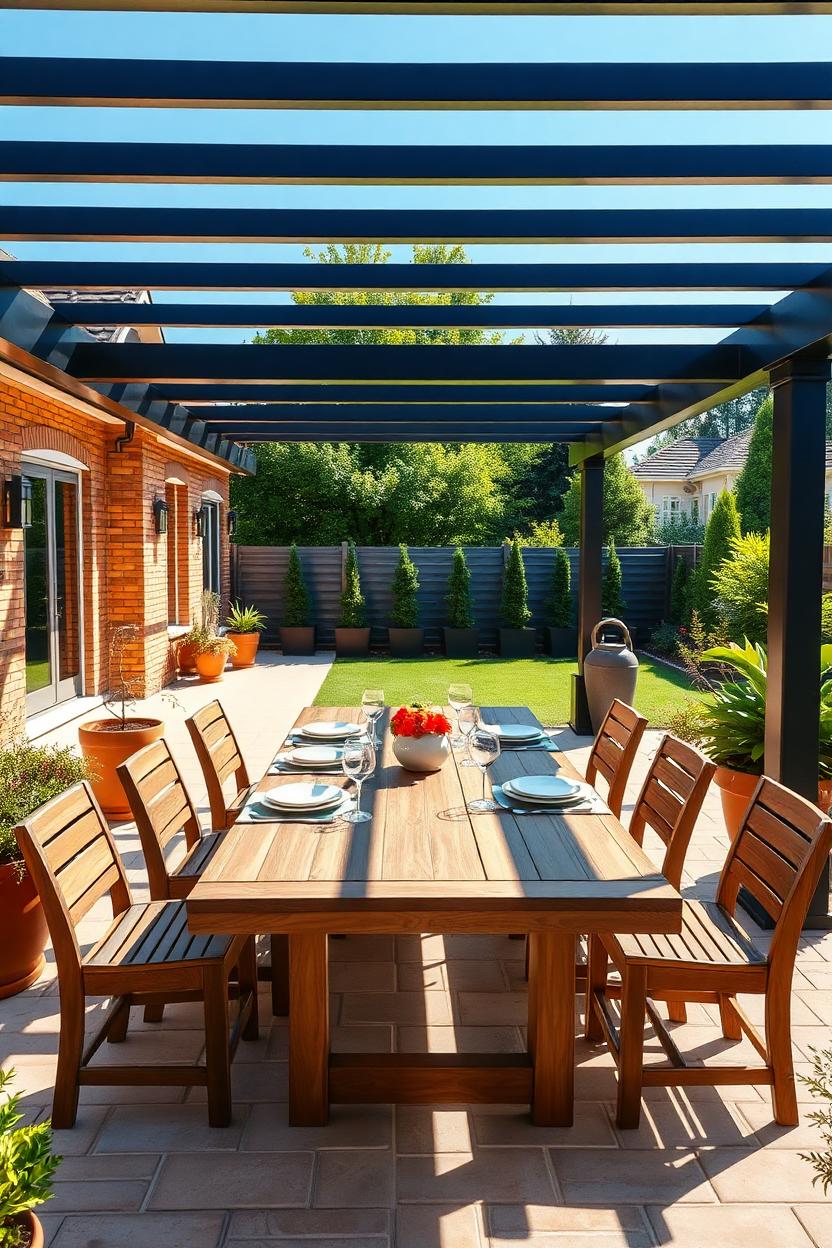
It’s easy to get swept up in beautiful pictures of perfect backyards. But before you buy a single planter or paver, taking the time to create a thoughtful plan is the single most important step. Thinking about how you want to live in your yard ensures you create a space you'll actually use for years to come, without costly mistakes.
Start With Your 'Why': Define Your Dream Day
Before you think about what your backyard will look like, think about how it will feel. Close your eyes and imagine your ideal weekend afternoon. Are you grilling for a crowd of friends? Reading a book in a quiet, shady corner? Or are you watching the kids play while you sip a cool drink? Maybe it's a calm morning spot for coffee or a cozy evening by a fire.
This simple daydreaming exercise is your foundation. The feelings and activities you envision are your true goals. Write them down. A yard designed for large-scale entertaining is very different from a private, quiet retreat. Being honest about your lifestyle is the key to creating a space that calls to you instead of feeling like a chore.
- Think about all seasons, not just summer.
- Consider who will use the space most: adults, kids, pets?
- Jot down your top 3-5 must-have activities for the yard.
Become a Backyard Detective: Observe Your Space
Now it's time to get to know your actual yard. Spend some time outside at different times of the day. Where does the sun hit in the morning versus the afternoon? Is there a spot that's always damp? Where do you hear the most noise from neighbors or the street?
Make a simple sketch of your yard's footprint, noting the location of the house, any existing trees, slopes, or structures. Mark the sunny and shady spots, the good views, and the not-so-good views. This map will become your guide, helping you place different activities in the most logical and enjoyable locations.
Map Out the Sun and Shade
Your sun map is crucial. A dining area might be miserable in the blazing afternoon sun without shade, while a vegetable garden needs at least six hours of direct light. Knowing your sun patterns will help you decide where to plant trees, build a pergola, or place a patio umbrella for maximum comfort.
Identify Privacy Gaps and Problem Spots
Walk the perimeter of your yard. Where can your neighbors see directly into your space? Note these areas as potential spots for privacy screens, hedges, or strategically placed small trees. Also, identify any areas that are eyesores, like utility boxes or your neighbor's messy side yard, that you might want to screen from view.
- Take photos throughout the day to reference later.
- Notice the direction of the prevailing wind.
- Pay attention to where water puddles after it rains.
Create Your Zones for Living
A great backyard works a lot like a great indoor floor plan—with distinct 'rooms' for different activities. These are your zones. Based on your 'dream day' list and your yard map, start assigning purposes to different areas.
The most common zones are for dining, lounging, and playing. You might also want a utility zone for trash cans and tools, a gardening zone with raised beds, or a quiet zone for a hammock or a simple bench. You don't need physical walls; zones can be defined by a change in material (like a deck stepping down to a stone patio), an area rug, a grouping of furniture, or a simple border of plants.
- Place the dining zone close to the kitchen door for convenience.
- Lounging zones feel cozier when tucked into a corner or anchored by a feature like a fire pit.
- Keep active play zones on a durable surface like grass, away from delicate garden beds.
- Think about the flow and create clear pathways between zones.
Let's Talk Money: Budgeting and Phasing
It's the conversation no one loves, but it's essential for a successful project. Creating a backyard can be a significant investment, so it’s important to be realistic about costs. Once you have a rough idea of your desired zones and features, you can start to research general price ranges for things like patios, decks, and landscaping.
Don't let a big number scare you away. One of the best strategies for a real-world backyard plan is to phase the project over time. You don't have to do everything in one year. A multi-year plan makes the budget much more manageable and allows you to enjoy improvements along the way.
How to Phase Your Project
Start with the foundation. Phase 1 should always be the 'bones' of the yard—things like a patio, deck, or major grading work. These are the messiest and most disruptive projects. In Phase 2, you could add a pergola, major plantings, or a fire pit. Finally, Phase 3 could be the finishing touches like landscape lighting, container gardens, and furniture.
- Always set aside 10-15% of your budget for unexpected costs.
- Prioritize the one feature you know you'll use the most.
- DIY-ing smaller parts of the project, like planting or assembling furniture, can save a lot.
Be Honest About Maintenance
A yard you'll actually use is one that doesn't feel like a second job. When planning, be brutally honest with yourself about how much time and energy you are willing to spend on upkeep. If you love gardening, then large, intricate flower beds might be perfect for you. If you'd rather relax with a book, a low-maintenance design is a must.
Consider the long-term work involved with every choice. A large lawn needs regular mowing, watering, and feeding. A complex water feature requires cleaning. Hardscaping like stone patios and composite decks generally requires less weekly work than garden beds or turf. Planning for less maintenance from the start will ensure your backyard remains a retreat, not a burden.
- Group plants with similar water needs together.
- Incorporate native plants, which are adapted to your climate and require less care.
- Use mulch in garden beds to reduce weeds and retain moisture.
- Consider a robotic lawn mower if you want grass without the work.
More backyard ideas
Frequently asked questions
Where do I start when planning a backyard?
Start by thinking about how you want to use the space day-to-day. Consider your lifestyle and must-have activities before you ever think about specific plants or materials.
What is the biggest mistake in backyard planning?
The most common mistake is buying furniture or building a feature without a master plan. This leads to a disconnected yard that doesn't flow well or meet your actual needs.
How can I plan a beautiful backyard on a small budget?
Focus on phasing your project over several years. Start with the core elements like a patio, and add features like lighting, furniture, and extensive plantings in later phases as your budget allows.
How do I make my backyard feel cohesive?
Creating clear zones for different activities helps a lot. You can also create a cohesive feel by repeating materials, colors, or plant types throughout the different areas of your yard.
Should I plan for sun or shade first?
Plan for both at the same time by observing your yard's sun patterns. Place sun-loving activities and plants in the sunny spots, and create or use existing shade for seating and relaxation areas.
Pin this article
Copy-and-paste titles and a description to schedule across your Pinterest boards.
Pinterest title
The Secret to a Backyard You'll Actually Use 🏡 Your Plan Starts Here!
Pinterest description
Ready to transform your backyard into your favorite 'room' in the house? It all starts with a smart, simple plan. We'll walk you through how to think about your lifestyle, budget, and layout to create an outdoor space you'll love for years. Pin this guide to start planning your dream backyard!
Pin title ideas
- Stop Dreaming, Start Planning: Your Guide to a Usable Backyard.
- The 5-Step Backyard Plan Every Homeowner Needs.
- How to Plan a Backyard You Won't Regret: A Simple Guide.
- Before You Build: Key Questions to Ask When Planning Your Backyard.
- Design a Backyard You'll Love: Planning for Real Life.