Patio Design Ideas for a Backyard That Feels Like an Outdoor Room
Your patio is more than just a slab of concrete—it's the foundation for a true outdoor room where you can relax, dine, and connect with family.
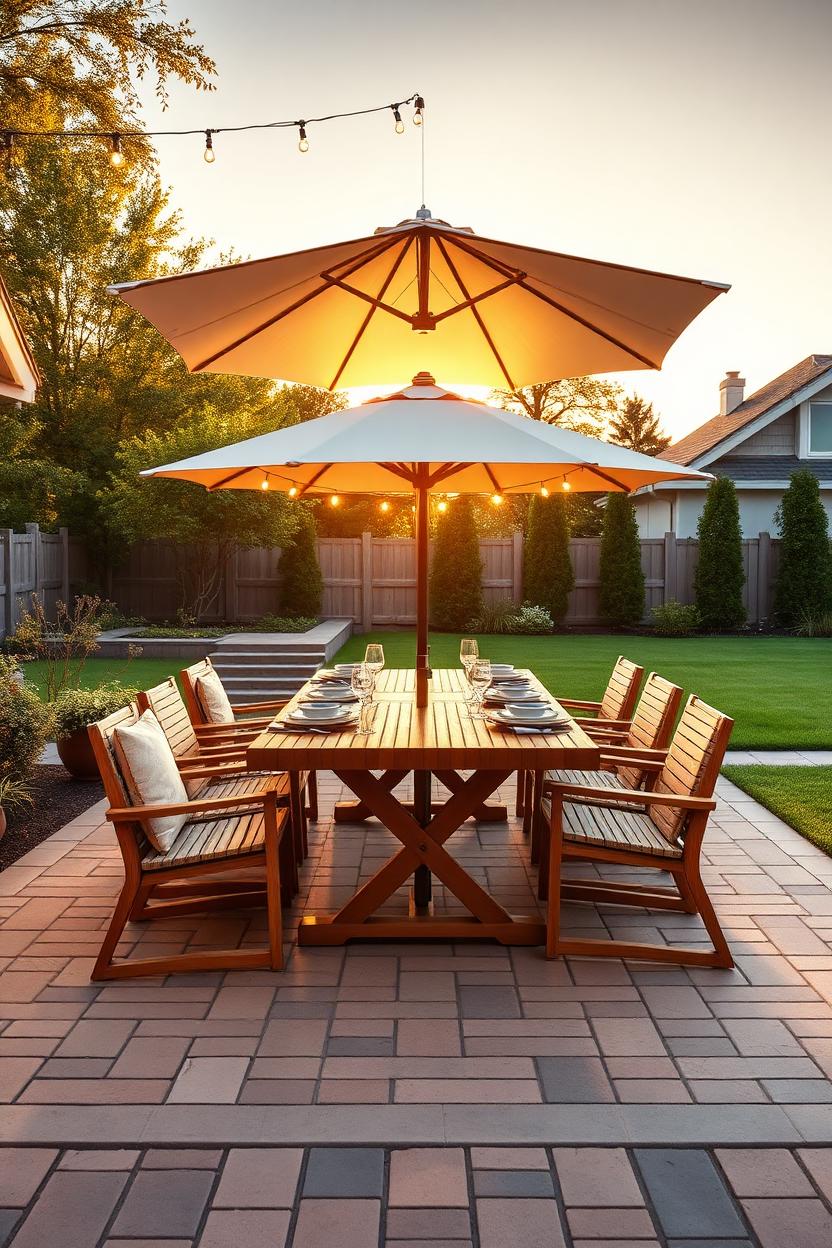
A well-designed patio is the heart of a backyard you'll actually use. It’s more than just a place for a grill; it’s a true extension of your home, a room without a ceiling. By thinking about your patio with the same intention you use for your indoor spaces, you can create a comfortable, functional, and beautiful foundation for all your outdoor living.
Start With a Purpose: What is Your Patio For?
Before you think about materials or furniture, the most important step is to define your patio's main job. Is it for lively family dinners, quiet morning coffee, or late-night conversations around a fire? Trying to make one space do everything often means it does nothing well.
Consider the primary activity you envision. This decision will guide every other choice you make, from the patio's size and location to its shape and surface. A patio designed for dining will have very different needs than one designed for lounging.
The Dining Patio
A dining patio is all about shared meals and easy entertaining. It works best when located close to the house, especially the kitchen, to make carrying food and dishes back and forth a breeze. The key is allowing enough space not just for the table and chairs, but for people to comfortably pull out their chairs and walk around the table.
The Lounge Patio
If your goal is relaxation, a lounge patio is the answer. Think of it as your outdoor living room, furnished with deep-seating sofas, comfy armchairs, and a coffee table. The layout should encourage conversation, so arrange seating in a U-shape or L-shape to create a welcoming nook.
The Fire Pit Patio
A patio centered around a fire feature becomes an instant gathering spot. These are often circular or square to mirror the shape of the fire pit and create an inclusive feel. Safety is paramount here, so ensure the patio is large enough to keep seating a safe distance from the flames and is built on a non-combustible surface.
- Use a garden hose to outline a potential patio shape on the ground.
- Place your existing outdoor furniture in the test area to check for size.
- Observe how the sun moves across the area at different times of day.
- Consider if you want one large patio or two smaller, connected zones.
Laying the Groundwork: Patio Materials and Surfaces
The surface of your patio sets the entire tone for the space. While poured concrete is a common option, interlocking pavers and natural stone offer a huge range of styles, colors, and textures to create a more custom, high-end feel. Pavers can be arranged in classic patterns like herringbone or running bond for a timeless look.
Think about how the material feels underfoot and how it complements your home's exterior. The color of your patio surface will also affect how hot it gets in direct sun—lighter colors tend to stay cooler. Some paver systems are also permeable, which can be beneficial for managing rainwater in your yard.
- For a seamless look, choose a paver color that picks up on tones from your home's siding, trim, or roof.
- A slightly textured surface provides better slip resistance than a very smooth one.
- Larger format pavers can make a small patio feel more spacious.
- Consider adding a contrasting border to your patio to give it a finished, defined edge.
Arranging the 'Room': Furniture Layout and Flow
Once your patio is built, furnish it like you would any room inside. The key is to create clear pathways for people to move around easily. Avoid pushing all the furniture against the house; instead, 'float' a seating arrangement in the center of the patio to create a more intimate and designed feel.
An outdoor area rug is one of the best tools for defining a space. It anchors the furniture, adds a layer of comfort and color, and immediately makes the patio feel more like a room. Group your seating around the rug, leaving at least 3 feet for major walkways.
- Create 'conversation zones' by arranging two chairs and a small table.
- Ensure there's a surface within arm's reach of every seat.
- Leave enough space behind dining chairs for people to get up and down.
- Use outdoor-rated rugs to ground your furniture groupings.
Adding the Layers: Shade, Lighting, and Greenery
The elements that make an indoor room comfortable are just as important outside. Without these finishing layers, a patio can feel exposed and uninviting. Thoughtful additions for shade, lighting, and plants will transform your patio into a space you want to be in day and night.
Creating Comfortable Shade
A patio without shade is unusable during the hottest parts of a summer day. A permanent structure like a pergola can define the patio area while providing filtered sunlight, and it gives you a frame to hang lights or climbing plants. For more flexible solutions, a large cantilever umbrella can be adjusted as the sun moves, or a simple sail shade can provide a modern, stylish look.
Setting the Mood with Lighting
Outdoor lighting extends the use of your patio well after sunset. A simple strand of bistro-style string lights hung overhead creates an instant magical ambiance. For a more layered approach, add path lights along the patio's edge for safety and solar-powered uplights in nearby garden beds to highlight trees or interesting plants.
Softening Edges with Planters
Container gardens are the perfect way to soften the hard lines of a patio and integrate it with the rest of your yard. Use large planters to anchor the corners of a seating area or create a living privacy screen. A collection of smaller pots with herbs or colorful annuals on a side table adds a touch of life and can be changed out with the seasons.
More backyard ideas
Frequently asked questions
How big should a backyard patio be?
A good rule of thumb is to plan for at least 25 square feet per person you want to accommodate. A small bistro set might only need a 6x6 foot area, while a full dining set for six needs at least a 12x14 foot space.
What's the best location for a patio?
The best location depends on its intended use. Dining patios are often best placed just outside the kitchen, while a lounge patio might be better situated to catch the afternoon sun or a specific view.
How can I improve my existing concrete slab patio?
You can dramatically improve a concrete slab by cleaning it thoroughly and adding an outdoor area rug, comfortable furniture, and large planters. Staining the concrete is also a great option to give it fresh color and character.
Do I need a permit to build a paver patio?
This depends on your local municipality. Most on-grade paver patios that don't involve major excavation or retaining walls do not require a permit, but it's always best to check with your local building authority first.
How do I connect my patio to the rest of the yard?
Create a graceful transition by using curving garden beds along the patio's edge. You can also build a clear walkway using the same or complementary pavers to connect the patio to another area, like a fire pit or shed.
Pin this article
Copy-and-paste titles and a description to schedule across your Pinterest boards.
Pinterest title
Patio Design Ideas to Create Your Dream Outdoor Room 🌿
Pinterest description
Stop thinking of your patio as just a slab! Discover simple, practical patio design ideas to create a true extension of your home. We cover layouts for dining and lounging, material choices, lighting tips, and more. Save this pin to start planning the backyard patio you'll actually use all season long!
Pin title ideas
- Genius Patio Design Ideas for the Ultimate Outdoor Room
- How to Design a Patio That Feels Like a Second Living Room
- The Ultimate Guide to Backyard Patio Design
- Simple Patio Ideas to Transform Your Backyard Space
- Affordable Patio Layouts & Design Tips for a Fresh Look